

The Frontiers Planet Prize at the Falling Walls Science Summit 2025: Can science save the planet?
Watch Prof Zahra Kalantari’s Keynote (1:09:00): https://www.youtube.com/watch?v=ofApR3-oTC8&t=1s
All images and footage courtesy of the Falling Walls Foundation. Source: Falling Walls Science Summit 2025.
Highlights from the Frontiers Planet Prize community at the Falling Walls Science Summit 2025
Moderator: Prof Jean-Claude Burgelman (Director, Frontiers Planet Prize)
Panelists:
Prof Zahra Kalantari (KTH Royal Institute of Technology, 3rd Edition International Champion, Sweden)
Prof Robert Arlinghaus (Leibniz Institute of Freshwater Ecology and Inland Fisheries, 3rd Edition National Champion, Germany)
Johanna Pütz (Managing Director and Partner, Boston Consulting Group, Germany)
Michiel Scheffer (Directorate-General for Research and Innovation, President of European Innovation Council, Netherlands)
Genevieve Biggs (Program Director, Wildfire Resilience Initiative and Special Projects, Gordon and Betty Moore Foundation)

Falling Walls Science Summit 2025 Plenary Table: Challenge and Foresight - Frontiers Planet Prize: Can science save the planet?
The Frontiers Planet Prize was founded to address one of the greatest challenges of the century, inspired by seminal works by Johan Rockstrom, Breaking Boundaries, and Bill Gates, How to Avoid a Climate Disaster, which served not only as warnings but galvanisers for action.
Our mission goes beyond celebrating the beauty of discovery. This prize is about science that informs action, reshapes systems, and restores humanity’s safety within our planetary boundaries. At a time when most awards remain confined to disciplines, we exist to champion transdisciplinary research. With more than 10,000 scientists engaged in our growing community, we have the critical mass needed to drive progress, even as humanity faces a complex geopolitical landscape. The window for meaningful change is still open, and that is precisely where the Frontiers Planet Prize sits.

Prof Jean-Claude Burgelman
Director, Frontiers Planet Prize; Editor-in-Chief, Frontiers Policy Labs; Former Head of Unit for Open Science Policy at the European Commission
“We are addressing one of the biggest challenges of our century, aside from peace and democracy, which is the survival of the planet... We like to call ourselves the Nobel Prize for sustainability, but we also have a mission, and the mission is to have impact. So it's not about the beauty of science, it's about science that can make a difference. There are enough disciplinary awards for excellence, what we need now is awards for the scientific community taking responsibility for one of the biggest problems we are facing. How can we keep the window of opportunity for change open? That's where we, as part of the scientific community, took our responsibility in creating this prize.”
Jean-Claude Burgelman opened the conversation by reminding us that, just five years ago, there was a broad consensus: the world must act. Today, however, we face a troubling reversal. Powerful voices are in denial. Others are retracting their warnings or downplaying the severity of the planetary crisis, leading to uncertainty, hesitation, and even cuts to critical scientific funding. Against that backdrop, we are fortunate to have this outstanding panel to tackle these challenges head-on.
The question we now confront is clear: How can the scientific community, supported by business, venture capital, and philanthropic foundations, scale up its efforts and encourage more researchers to join this mission? To begin, Burgelman introduces the Frontiers Planet Prize Champions, whose leadership exemplifies how science can be mobilized for real-world impact.
Case Studies in Action
Zahra Kalantari describes the challenge motivating her research: cities already contribute more than half of global greenhouse gas emissions and are projected to house 68% of the global population by 2050. Her team’s research helps cities unlock the full potential of nature-based solutions to reduce emissions while accommodating expansion for a larger population, so that city planners and built environment actors can move towards carbon neutrality.
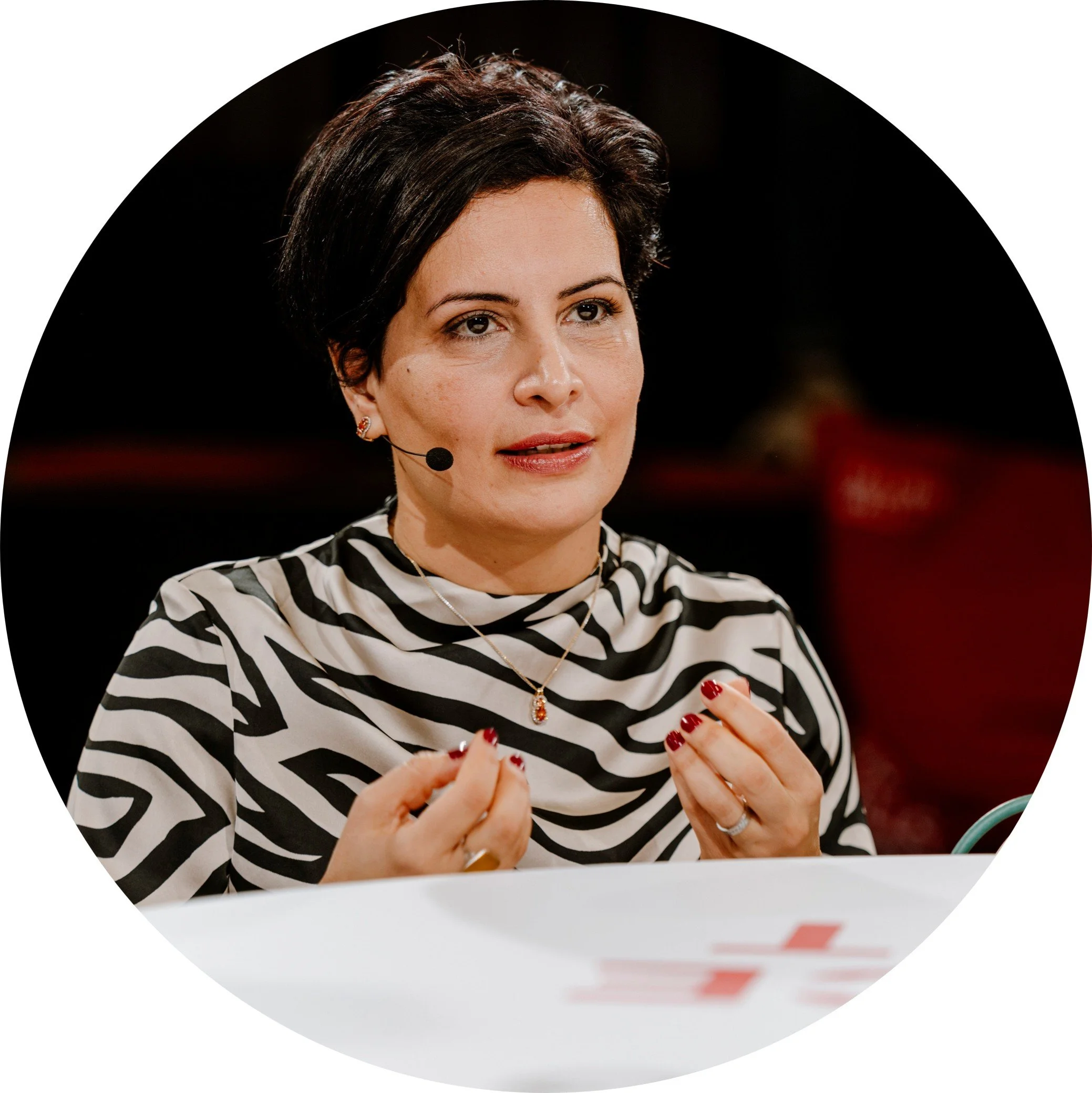
Prof Zahra Kalantari
KTH Royal Institute of Technology, 3rd Edition International Champion, Sweden
“We have the solutions, but we must think about how we can implement them, and how to encourage more cities to get involved. Cities may be able to learn from one another, following initial implementation, much easier than they can learn directly from a scientist, because there is a foundation of trust. So if I can foster these cross sectoral partnerships, then maybe we can listen and trust each other better.”
The FPP supports this research by providing investment, visibility and credibility. This support has expanded the scope of the research to answer further key questions, for example: Which type of nature-based solution works best? Under what conditions? How does placement affect effectiveness and scalability? Where should the interventions be targeted? Cities are already facing pressure from extreme climate events and urgently need real-world, scalable, cross-sectoral solutions.
Robert Arlinghaus is concerned with biodiversity decline. His specific concern: freshwater fish populations are collapsing, and concerned stakeholders don’t have access to ecologically viable solutions. Local stakeholders in Germany were relying on technical solutions, billions of fish were bred in artificial environments and released every year, but they would not survive once released, while ecological evidence indicated that restoring habitats was the solution. His team partnered with user groups, co-designed experiments, and demonstrated over six years that habitat restoration outperformed stocking. The next step now is: how long do effects persist (10 / 15 years), and how can we scale up dissemination of knowledge and implementation?
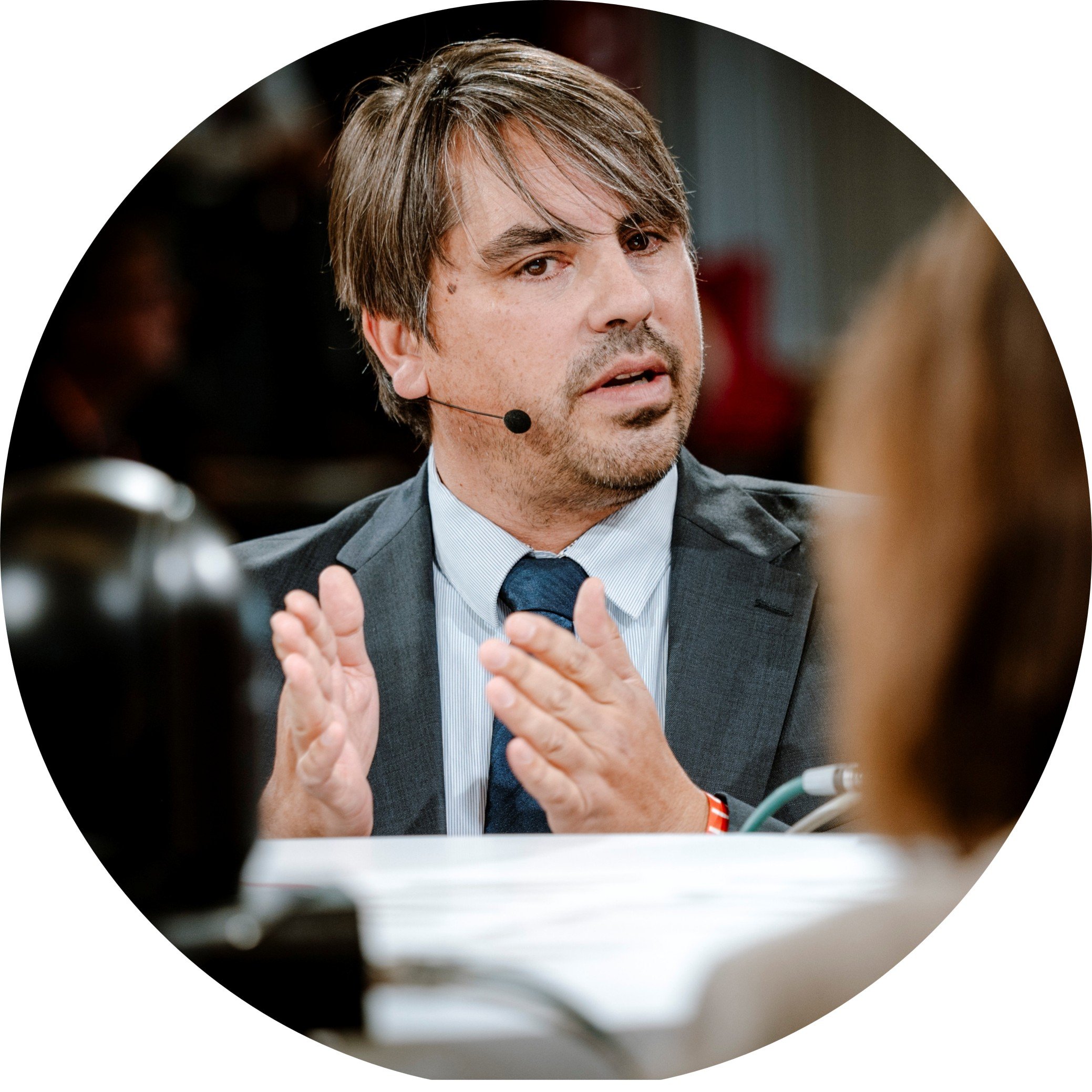
Prof Robert Arlinghaus
Leibniz Institute of Freshwater Ecology and Inland Fisheries, 3rd Edition National Champion, Germany
“We have to partner with these local user groups and ask them, what are your goals and which solutions do you consider viable? We partnered with 1000s of anglers, recreational fishing groups and angler organizations, and did replicated experiments with different management tools that people could implement locally. ”
Bridging Micro & Macro: Visibility for scalability
As climate change is a macro problem, we are often concerned with getting everyone around the table for macro solutions, and it can be costly for countries and states to act on a macro-level in the short term, but in actuality, ‘micro’ solutions can have a macro impact.
Johanna Pütz highlights the role of the Frontiers Planet Prize in identifying actionable solutions which can be tangibly applied to micro-contexts and scaled up. Scaling research and implementation is often a question of visibility, and the prize adds value to research through visibility. In the case of Kalantari and her team’s research on sustainable cities, the endeavour now is to scale up the number of cities they are working with. Involvement in the discussions, specifically at events such as the Falling Walls Science Summit with ‘progressive’ programs and attendees, brings people together to learn about these solutions, and not only that, but from a business perspective, it pushes companies to open up and get closer to the scientific community.
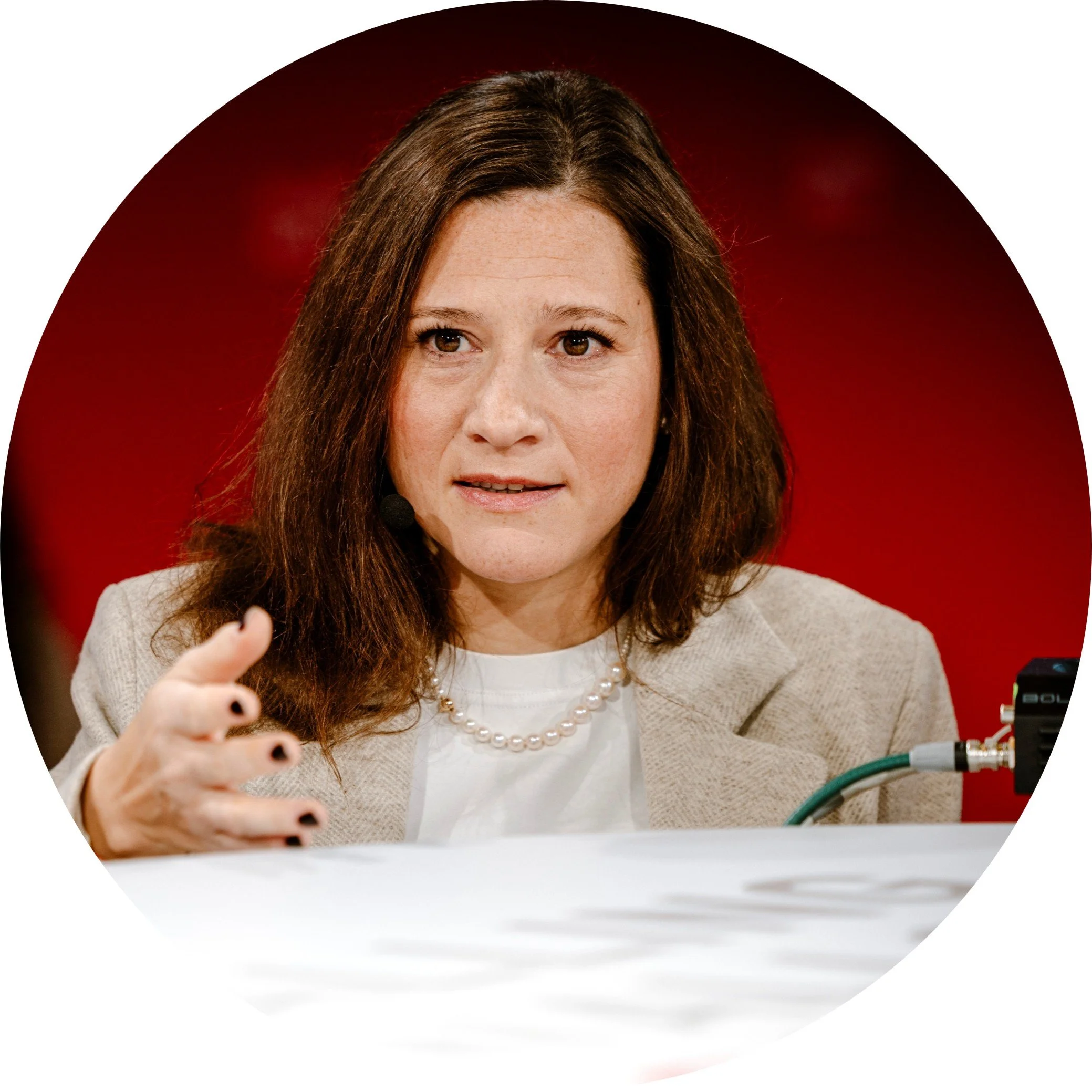
Johanna Pütz
Managing Director and Partner, Boston Consulting Group, Germany
“Finding macro solutions is really difficult, because fundamentally, we are in a tragedy of the commons, where for every country, or for most countries, or states individually, it's costly to act, not in the long run, but in the short run. So I think what we have here around the table, and what Frontiers represents, is finding micro solutions that work in micro contexts, in cities, in habitats, and then scaling these solutions that work and that people want, so that we can make a change collectively through the micro world.”
Accelerating solutions with funding
While philanthropy can provide crucial early-stage support, helping to de-risk and accelerate promising innovation, Genevieve Biggs noted that it remains only a fraction of the potential resources available. The real impact, she argued, comes when philanthropic investments are designed to pave the way for larger public and private funding streams, enabling public actors and agencies to adopt and sustain these initiatives over time.
Michiel Scheffer explains the role of the European Innovation Council (EIC) in the investment space for scaling planetary solutions: The European Commission implemented the EIC for the promotion and application of technology and innovation by start-ups. Transition mechanisms are needed to bring promising science to market - grants and equity blended to seduce venture capital, enabling companies to move from e.g. Technology Readiness Level (TRL) 7 to TRL9. He notes that significant investment from the EIC (EUR 10 billion, 750 companies funded in Europe), still only represents ~0.02% of startups. The major hurdle is mobilising large corporations and public markets to pick up innovations from the small scale and embed them in industrial-scale deployment systems. The mission is to reactivate the financial markets to be more start-up, scale-up oriented.
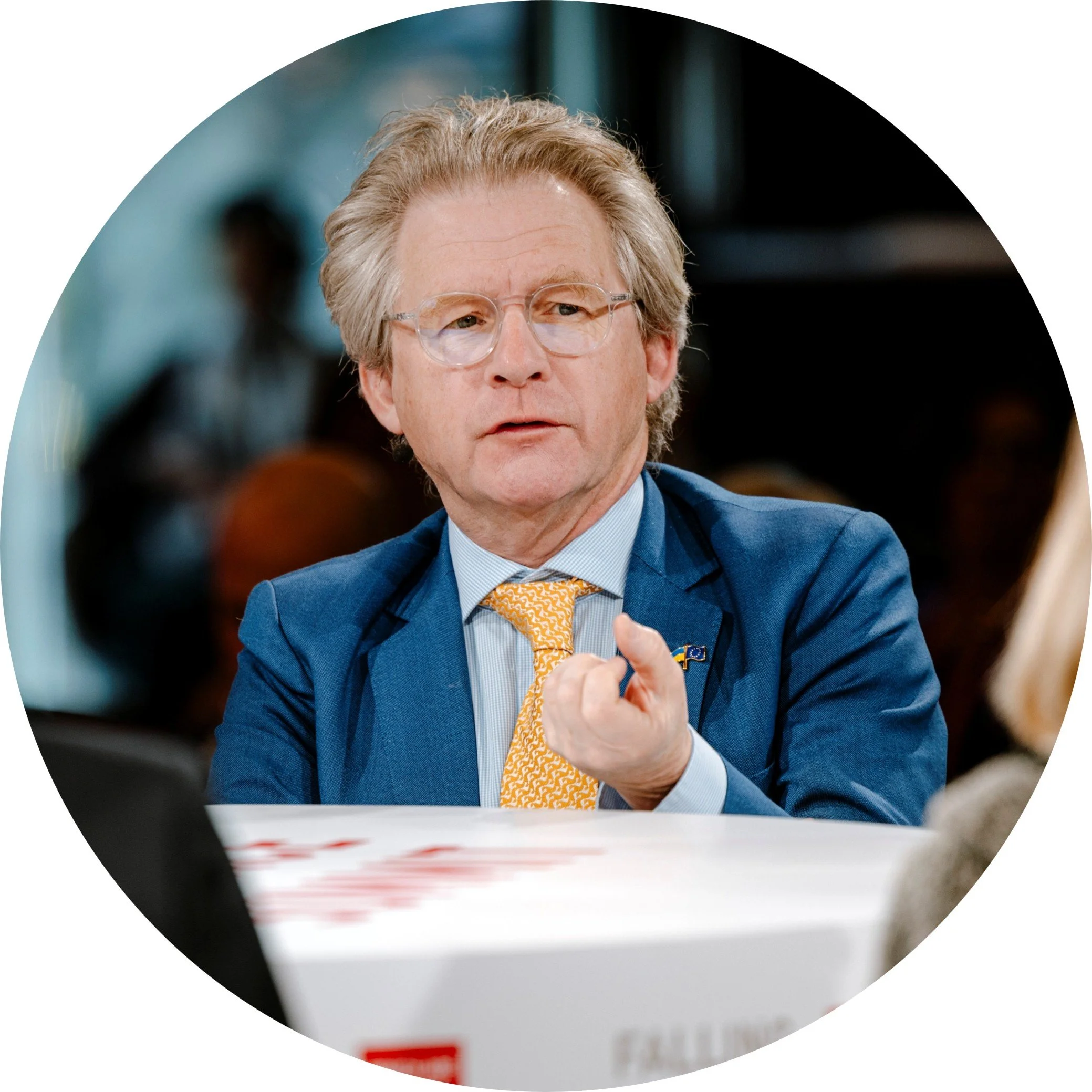
Michiel Scheffer
Directorate-General for Research and Innovation, President of European Innovation Council, Netherlands
“We want to reactivate the financial markets to be more start-up, scale-up oriented…Something which is still a big challenge is getting the large corporations and the public markets to pick up the innovations that the small ones have scaled up.”
When asked why deployment-ready, rigorous scientific solutions such as that of the FPP champions, does not always translate into uptake, his answer is systemic: in many places public domain institutions are fragmented and ill-organised to manage their infrastructure. The current system must be re-engineered to facilitate uptake of new science, it should be the responsibility of national authorities, with the support of reallocated public funding, to translate these solutions and support stakeholders with implementation.
The role of science in a tragedy of the commons
With agreement from the panellists, Pütz frames the planetary crisis as a tragedy of the commons, echoing the teachings of the 2009 Nobel Prize winner for Economics, Elinor Ostrom. Management of the commons (fisheries, forests, grazing lands etc.) is most successful when undertaken by the communities who use them, on a foundation of peer-to-peer trust, and not by governments or private bodies.
Arlinghaus credits much of his research’s success to a co-design approach developed with communities who hold strong ownership over their local environments and have a direct stake in the project’s outcomes. But in terms of scaling, he stress-tests the notion that problems are simply scientific, often the barriers are institutional: funding for implementation, capacity building and policy integration.
In the case of the built environment, Kalantari also emphasizes that real-world contexts matter: bridging from science to practice requires trust, multi-city networks, cross-sector partnerships and clear pathways into decision-making contexts.
Biggs underlined the importance of drawing on scientists’ insights that resonate deeply with people’s real concerns. Much of the research led by the Prize’s champions, she noted, focuses on issues that communities feel in a tangible, visceral way. When science is communicated through that lens, it helps people move beyond disagreements about root causes and work together toward shared priorities and a common long-term vision. Reflecting on global wildfire mitigation, she added that progress depends heavily on individual agency, yet we still lack a clear understanding of many human decision-making patterns, making behavioural science a crucial part of the conversation.
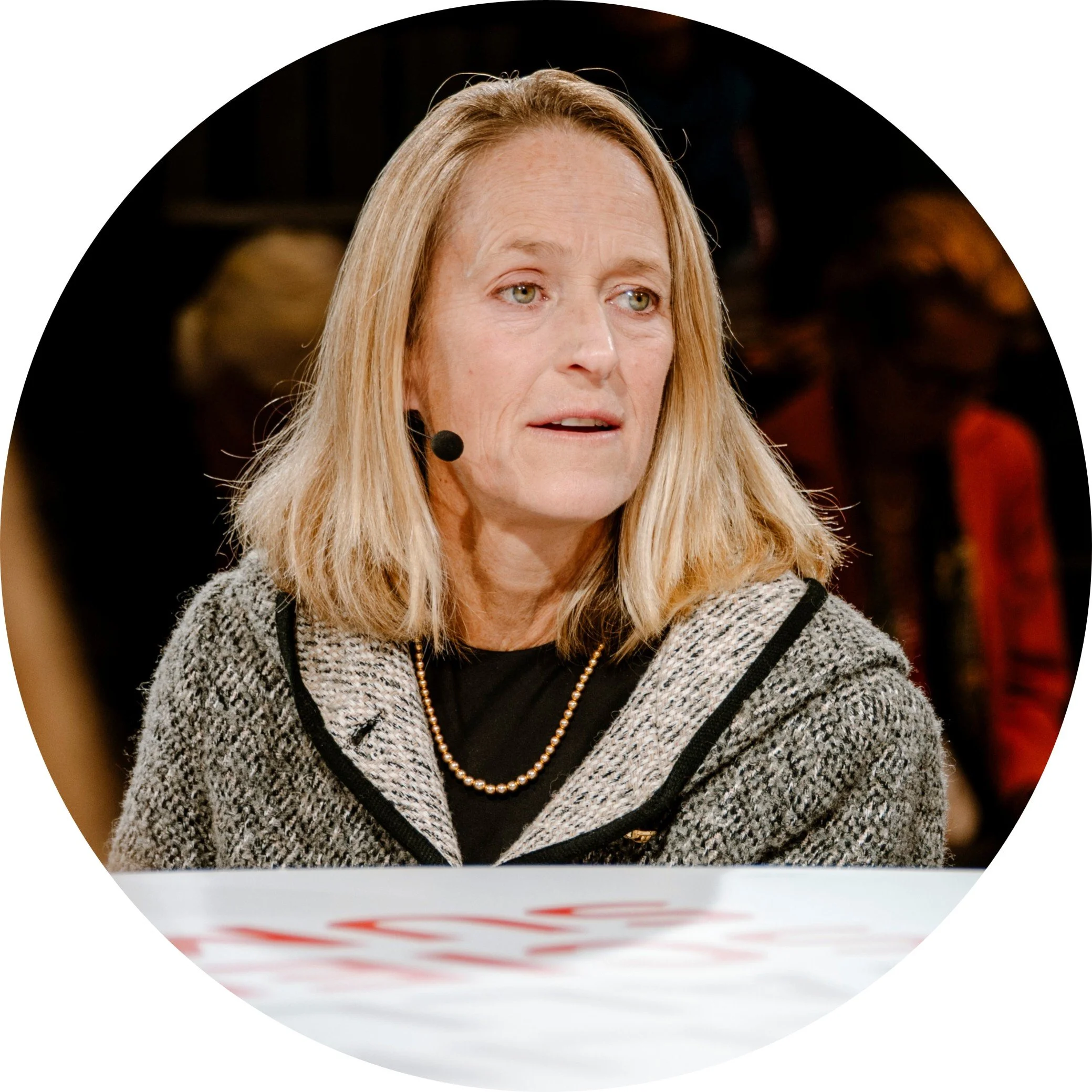
Genevieve Biggs
Program Director, Wildfire Resilience Initiative and Special Projects, Gordon and Betty Moore Foundation
“With technological innovation, we get all kinds of new opportunities for scientific breakthroughs, Earth observation, new kinds of models, and I think that will deliver a lot of important new data and information for us. And at the same time, we don't want to be waiting for perfection in the kinds of systems and the data that we can get… I'm focusing more on the 'how' part of; how are we going to scale? And I would summarize it by saying it's so important to act with urgency, but also with the humility to understand that we're going to continue to learn more and evolve as we as we go.”
Do we need more science to solve the planetary crisis?
For an answer, Schiffer looks to three transitions: energy, green and protein, with development speed in biobased materials as a primary concern. The transformation of plastics and textiles remains in its infancy, hindered by limited corporate interest and major scaling challenges, large factories built for fossil-based production set a high barrier for change.
Pütz weighed in that we do need more science, adding that advances in artificial intelligence and technology innovation will be central to speeding up breakthroughs in material science, enabling the rapid development and deployment of sustainable alternatives.
Bigg’s focus, she explained, is on how to act; we must move forward with urgency and humility to understand that we need to learn more and evolve as we learn. Drawing on her work in wildfire mitigation, Biggs underscored the scale and speed of change. Wildfire severity has more than doubled over the past twenty years, and fires are burning faster, with average peak daily growth rates in Western North America more than twice what they once were. That, she said, captures the urgency side of the equation.
At the same time, Biggs sees momentum in the accelerating pace of technological innovation, which she described as following an exponential curve similar to Moore’s Law. This rapid evolution opens up new opportunities for breakthroughs in data systems, monitoring, and intervention tools.
Closing thoughts
The discussion underscored a shared message: solutions exist, but scaling them requires stronger institutions, clearer pathways from research to action, and collaboration across sectors. Locally grounded work can drive system-level change; visibility and funding unlock implementation; and community trust remains central to lasting impact. Despite growing geopolitical uncertainty, progress is possible when science, policy, finance and local actors move forward together with urgency and clarity.