

Shrubs, Rumen Modulation and a Safer Climate: Practical Pathways for Low-Emission Dairy in the Colombian Andes

Dr Olga Mayorga
AGROSAVIA Tibaitatá Research Center
DOI: 10.25453/fpprize.32065872
The contribution of local shrubs to the carbon footprint reduction of traditional dairy systems in Cundinamarca, Colombia (Agroforestry Systems, 2024)
“When farmers see that a climate-smart ration also improves productivity and resilience, adoption can be rapid. ”
In the Colombian Andes, a glass of milk can carry a hidden climate and nitrogen cost. Enteric methane and nutrient losses from dairy systems push against planetary boundaries—but solutions can be grown on-farm and their forage biodiversity. Our work shows how local shrubs and rumen-modulating feeding strategies can boost productivity while cutting emissions intensity.
Our Frontiers Planet Prize–recognized research answers that question by quantifying where impacts come from and testing a practical intervention farmers can implement without costly technology. We conducted a cradle-to-gate life-cycle assessment (LCA) using primary data from 82 specialized dairy farms in Cundinamarca (Colombia’s high tropics). The results identified clear leverage points: on farm, enteric fermentation and nitrogen losses dominate; off farm, the manufacturing of purchased feeds is a major source. These insights matter because effective mitigation must tackle both feeding strategies and nutrient management, while keeping an eye on the supply chain.
A key finding is that locally available shrubs can deliver a rare triple win. By including 10% shrubs in the diet—Acacia decurrens, Baccharis latifolia and Sambucus peruviana—farms increased milk production per cow by 19–37% and reduced the milk carbon footprint by 13–26%, while keeping herd size and management broadly constant. For planetary health, improving productivity per animal lowers emissions intensity, and using on-farm woody forages can reduce reliance on imported concentrates and the land pressures associated with feed production.
Part of the explanation lies in rumen modulation: The rumen is a microbial ecosystem where methane forms as a by-product of fermentation—an energetic loss for the animal and a climate cost for society. Many shrubs contain secondary metabolites (e.g., condensed tannins, saponins and phenolics) that can shift fermentation pathways, reduce methanogenesis, and improve nitrogen use efficiency when used at appropriate levels. Beyond biochemistry, shrubs diversify diets, stabilize forage supply across seasons, and fit naturally within silvopastoral designs that protect soils and enhance biodiversity.
Implementable solutions and scaling
The actionable solution emerging from our work is straightforward: “90:10 pasture: shrub” feeding packages tailored to local conditions. Implementation starts with identifying suitable species, establishing small nurseries or sourcing biomass through producer associations, and providing clear guidance for planting, cutting, and ration formulation so shrubs complement—not replace—high-quality pasture. Because adoption depends on confidence and simplicity, our approach pairs on-farm practice with robust measurement, reporting and verification (MRV).
To make climate-smart feeding practical at the field level, we pair on-farm practice with robust measurement: IPCC Tier 2 (a widely used emissions-estimation standard), cradle-to-gate LCA to avoid burden shifting, and rapid feed scans via NIRS (Near-Infrared Spectroscopy) integrated with AlimenTro® (AGROSAVIA’s open platform that turns those scans into practical feeding information for the Colombian cattle system). Our program analyzed 1,318 forage/feed materials collected across 82 dairy farms in 30 municipalities, covering 90 species and five feed groups. We quantified nutrients and key secondary metabolites (phenolics, tannins, saponins, alkaloids) to prioritize local feeds with methane-mitigation potential.
Scaling can happen through producer associations, extension services, and dairy supply chains that embed “10% shrub” protocols into training, sustainability roadmaps, and farm advisory tools. Civil society and local governments can strengthen community nurseries and planting material supply. Nationally, Tier 2 and LCA evidence can help refine Colombia’s low-emission livestock pathways and improve the credibility of MRV for climate commitments. The goal is not a uniform recipe, but validated options that farmers can adapt—supported by transparent measurement.
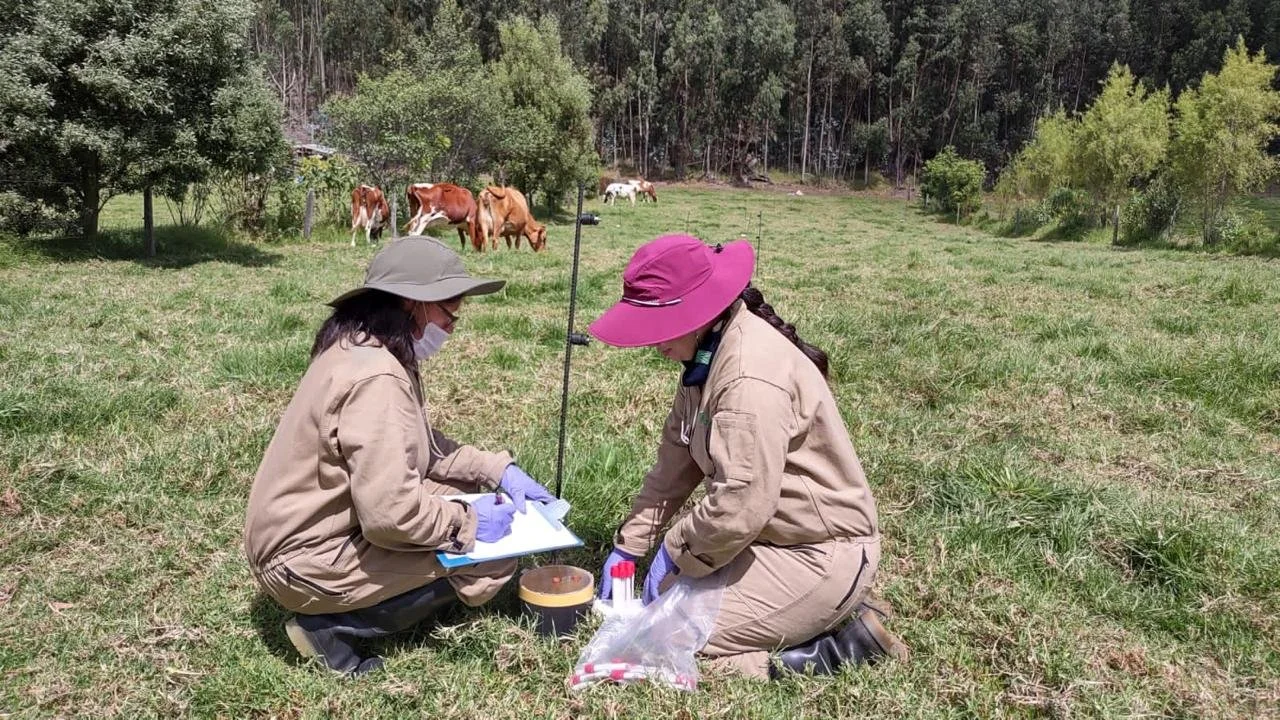
Figure 1. The research team collecting field samples
Tangible impact and readiness for scale
Our paper already delivers tangible impact by providing rigorous, replicable numbers that stakeholders can use now. With real farm data, we show that a simple dietary adjustment can reduce the carbon footprint of milk by up to a quarter while increasing production per cow. We also highlight that methodological choices in LCA (notably co-product handling) can materially change results, and we provide guidance to improve comparability for benchmarking and policy use.
This work is positioned for scale because it is designed around farmers’ constraints. Shrubs are locally available and can be grown on-farm or sourced nearby, reducing dependency on expensive inputs. The intervention does not require land-use change, specialized equipment, or complex infrastructure. Early-adopter scenarios indicate the potential for 13–26% carbon-footprint reductions alongside 20–35% yield gains, strengthening the case for broader uptake when paired with practical guidance and extension support.
Advancing planetary boundary science: Toward a safe operating space
Planetary boundary science asks not only “what is happening,” but “what scale of change is needed to remain within a safe operating space.” Livestock systems touch multiple boundaries simultaneously. By integrating Tier 2 methane estimation, nitrogen “hotspot” identification, and cradle-to-gate LCA, our work strengthens the bridge between farm-level decisions and boundary-level outcomes. The same feeding strategy that can lower methane also has the potential to reduce nitrogen surpluses by improving rumen nitrogen capture, translating into lower ammonia and nitrous oxide losses—critical for the biogeochemical flow boundary. Incorporating shrubs supports land-system integrity by intensifying production on existing farmland and enabling silvopastoral mosaics that add woody biomass without expanding the agricultural frontier.
The transformational potential lies in coupling rumen modulation—through functional feed additives and bioactive shrubs—with landscape redesign that delivers co-benefits for climate, soils, water regulation, and biodiversity. This is how we can move from “less bad” to regenerative trajectories that help return Earth’s systems toward safer conditions.
What comes next?
We will validate and optimize rumen-modulating strategies under diverse field conditions, prioritizing species and additive options by their metabolite profiles while safeguarding animal health, palatability and digestibility. Long-term trials will track productivity, methane indicators, nitrogen balance, and adoption barriers, alongside cost–benefit assessments that reflect local realities. We will also scale learning with watersheds—such as Sabana Centro/Occidente and Ubaté—and extend implementation to other Colombian regions across different altitudes where silvopastoral systems offer strong opportunities, from highland dairy zones to mid-elevation valleys and lowland tropics, where coordinated extension and supply-chain engagement can accelerate adoption and impact. Importantly, the evidence generated will help inform Colombia’s Nationally Determined Contributions (NDCs) and national strategies for sustainable livestock, integrating agroecological principles to support public policy decisions, MRV frameworks, and incentive programs for climate-smart, resilient production.
I am most excited by how quickly this science can become practical change. When farmers see that a climate-smart ration also improves productivity and resilience, adoption can be rapid. With transparent MRV, those improvements can be recognized in policy and sustainability reporting. And with better-designed silvopastoral landscapes, high-Andean dairy regions can produce food while restoring the ecological processes that keep us within planetary boundaries.
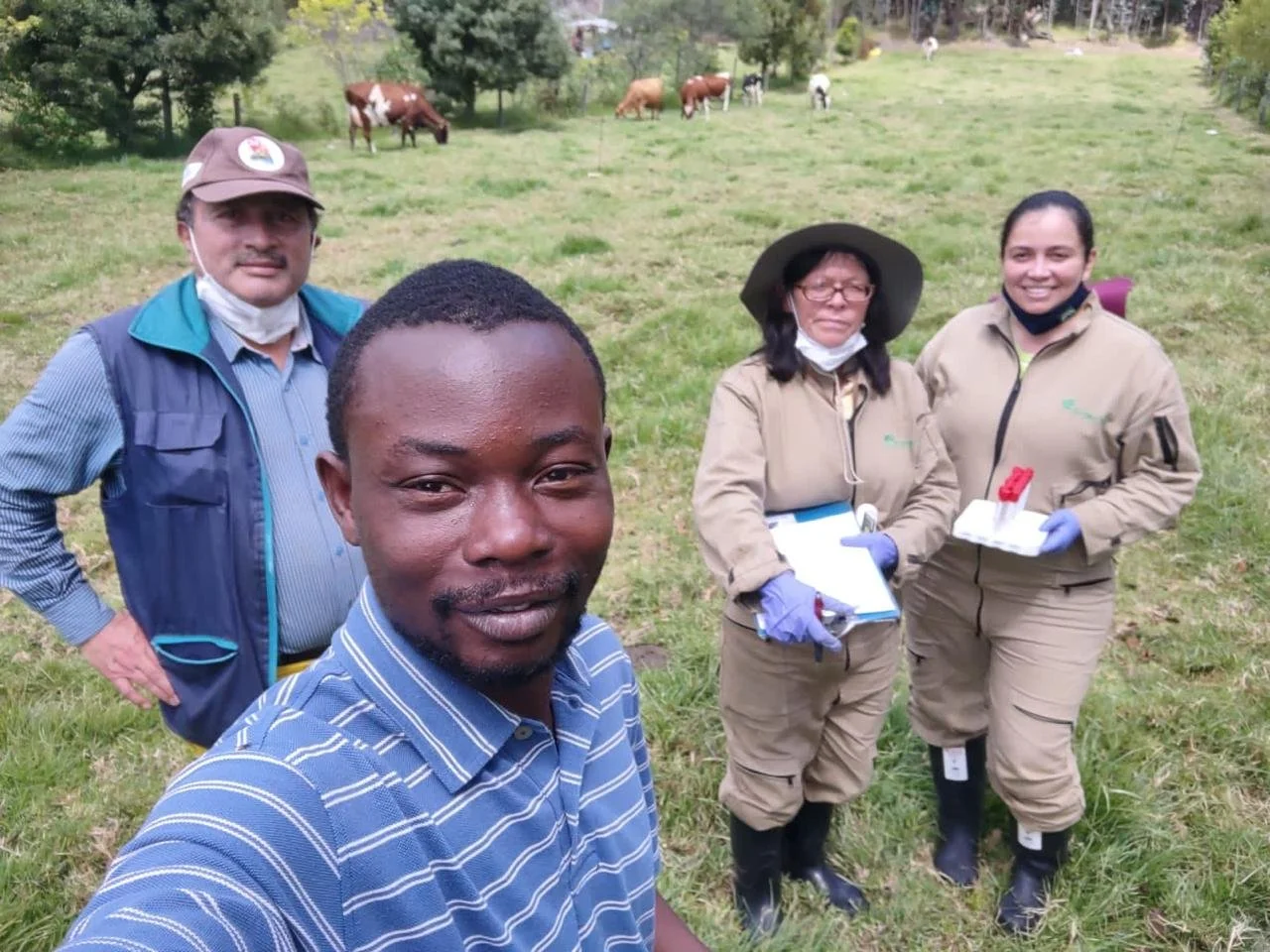
Figure 2: The research team in the field.