

News on the Frontiers Planet Prize
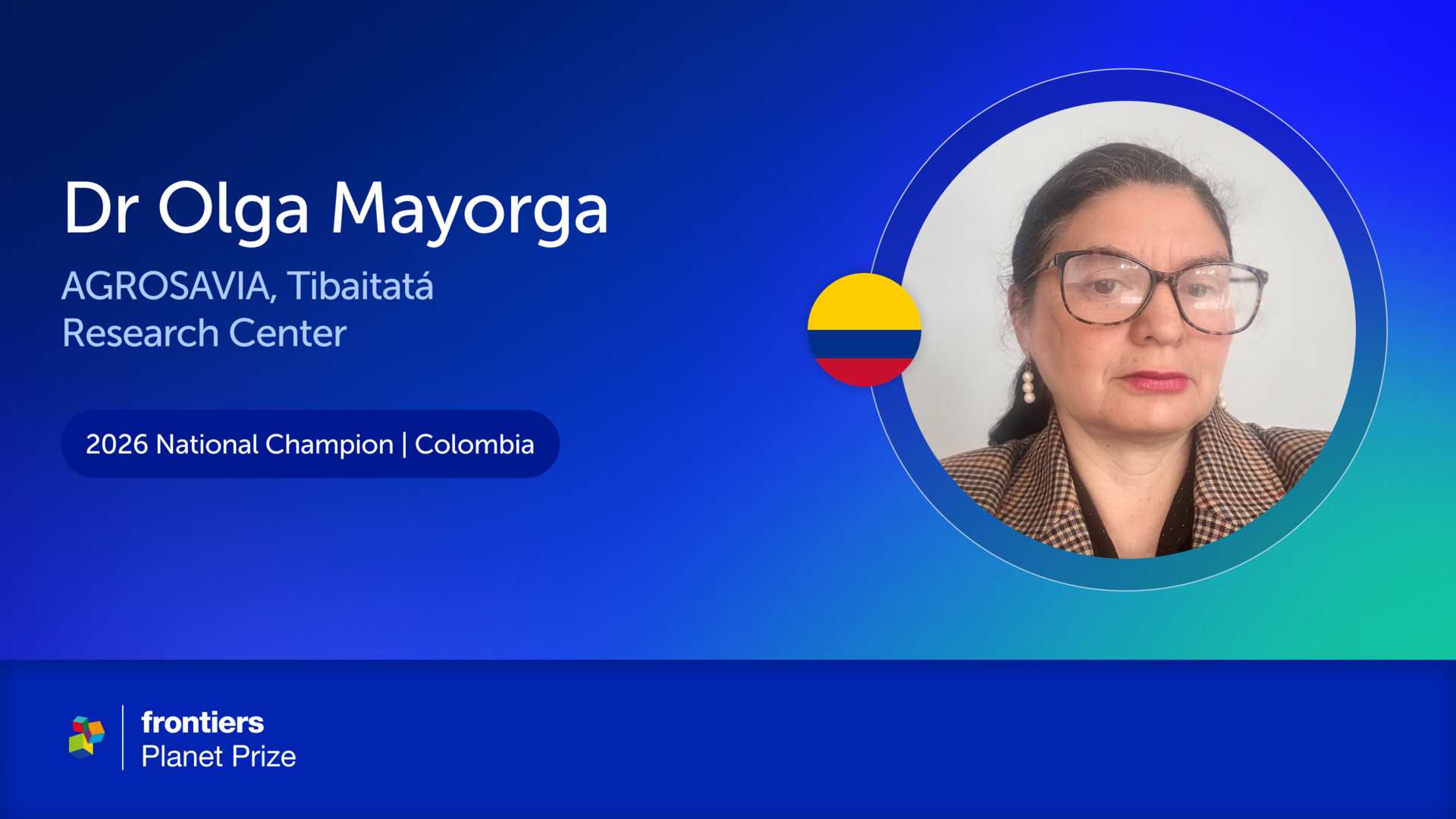
Shrubs, Rumen Modulation and a Safer Climate: Practical Pathways for Low-Emission Dairy in the Colombian Andes
Dr Olga Mayorga from AGROSAVIA Tibaitatá Research Center, National Champion for Colombia, provides quantitative, reproducible evidence for smallholders in the tropical highlands that shrub intervention increases productivity and reduces GHG emissions intensity.
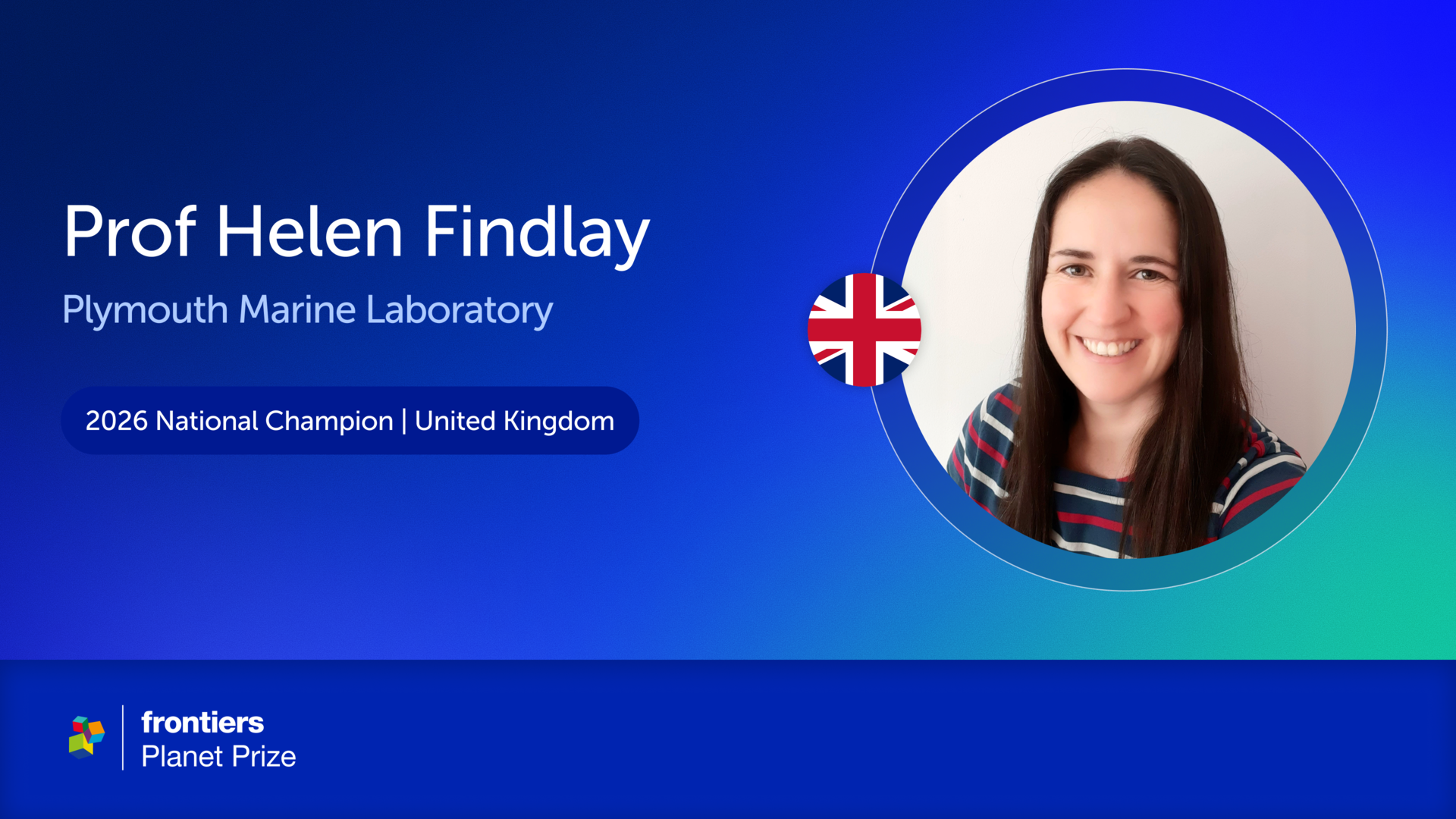
Uncovering the true severity of ocean acidification to catalyse global action
Prof Helen Findlay from Plymouth Marine Laboratory, National Champion for the United Kingdom, established that the ocean acidification (OA) planetary boundary has now been breached, delivering a comprehensive reanalysis, proposing that the boundary was surpassed in the early 2020s.
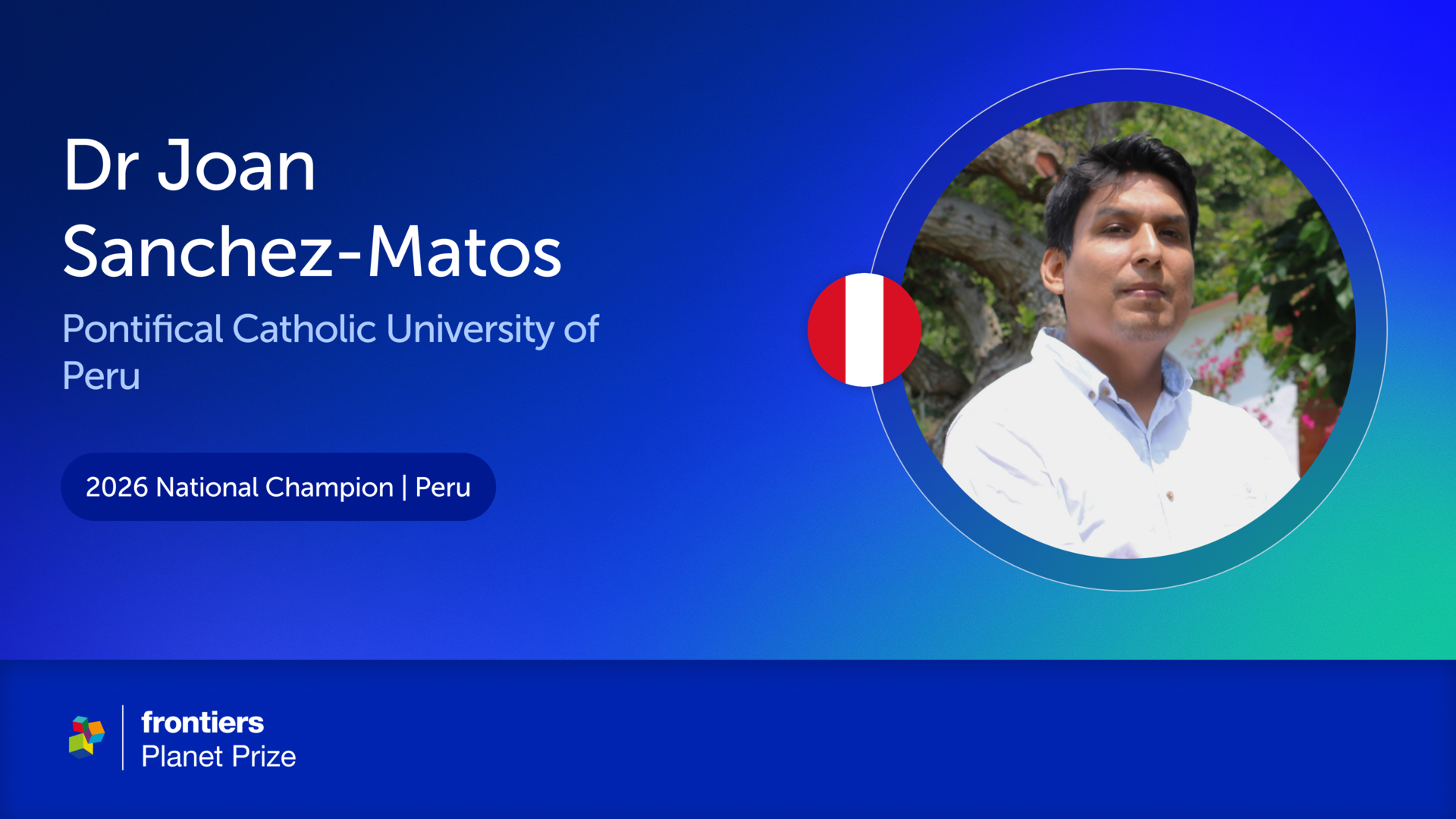
Rethinking water scarcity in Peru under climate change-driven and El Niño-disrupted scenarios
Dr Joan Sanchez-Matos from Pontifical Catholic University of Peru, National Champion for Peru, presents an update of the characterization factors (CFs) used for water scarcity in the Available Water Remaining (AWARE) model for the entire Peruvian territory based on official national databases.

The hidden climate threat to Europe’s forests and why reproduction matters
Prof Michal Bogdziewicz from Adam Mickiewicz University , National Champion for Poland, identifies reproductive overinvestment as an early-warning signal of forest decline and provides a way to monitor and mitigate it.
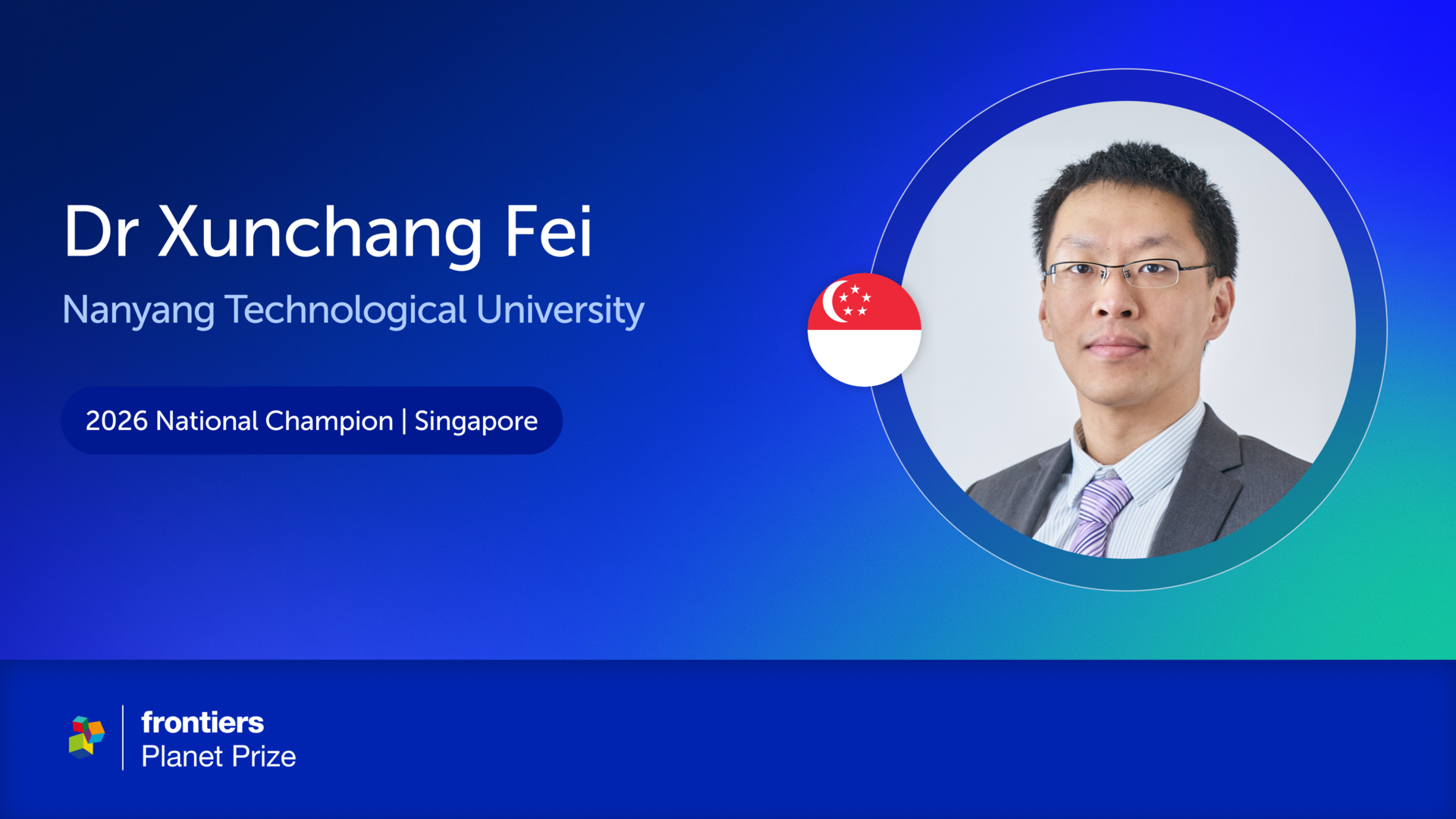
A convenient and reliable improvement to methane emission model for global landfills
Dr Xunchang Fei from Nanyang Technological University, National Champion for Singapore, issues a wake-up call to the landfill CH4 emission problem to ensure that solid waste management plays a pivotal role in a sustainable and equitable future.

Extractivism, Local and Indigenous Knowledge, and Justice: Rethinking the Energy Transition in the Andean Salt Flats
Dr Andrea E. Izquierdo from the Instituto Multidisciplinario de Biologia Vegetal (IMBV-CONICET), National Champion for Argentina, proposes a participatory methodology to translate local and Indigenous perceptions of lithium mining impacts into measurable indicators aligned with the SDGs.
Modelling the net capture performance of leading carbon dioxide removal technologies
Prof Ahmed Abdulla from Carleton University, National Champion for Canada, lays out actionable insights for policymakers and investors to best support carbon removal technologies.

Tree islands in a sea of oil palm foster native biodiversity
Dr Gustavo Brant Paterno from University of Göttingen, National Champion for Germany, addresses a primary driver of planetary boundary transgression - the rapid expansion of tropical agriculture - offering a science-based, experimentally validated solution.
The Invisible Giant: Addressing Aviation’s Hard-to-Abate Paradox
Prof Manuel Soler Arnedo from Universidad Carlos III de Madrid, National Champion for Spain, quantifies the disproportionate climate impact of aviation's non-CO2 emissions, which account for two-thirds of the sector's net radiative forcing.
Supramolecular plastics represent a breakthrough in sustainable, circular materials for mitigating threats to the environment posed by the global plastics crisis
Prof Takuzo Aida from Tokyo College, The University of Tokyo, National Champion for Japan, has developed a supramolecular plastic which never generates microplastics and enables closed-loop recycling.

Ecological and Evolutionary Consequences of Changing Seasonality
Mr Daniel Hernández Carrasco from University of Canterbury, National Champion for New Zealand, shows that altered seasonality will have wide-ranging impacts on biodiversity across the web of life.
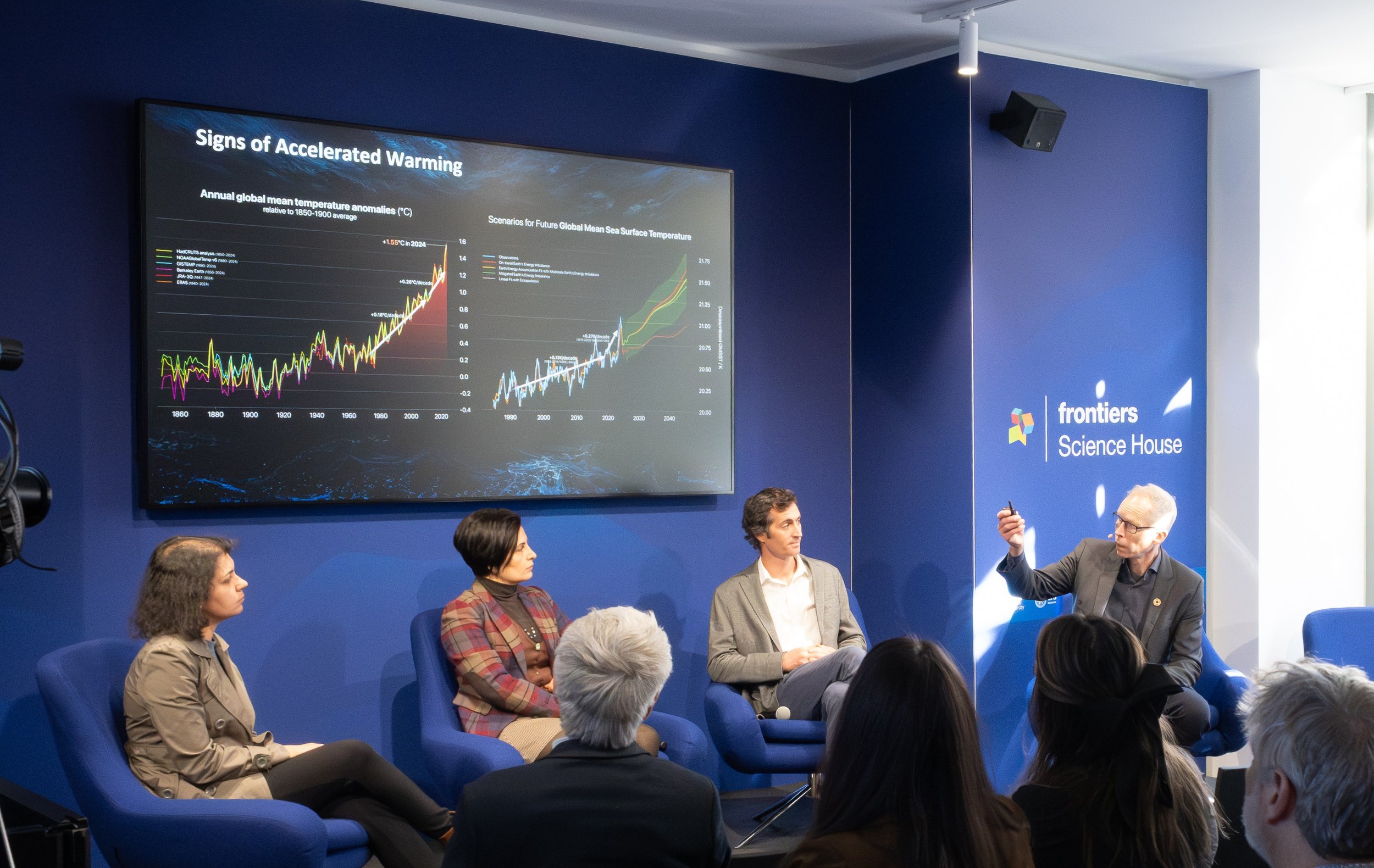
Davos 2026: How the World’s Most Groundbreaking Science Can Accelerate Transformation
At Frontiers Science House 2026, Johan Rockstrom explores how cutting-edge, transformative research can accelerate solutions to planetary challenges, with case studies from our 3rd Edition International Champions. Speakers presented examples of science moving from diagnosis to practical transformation.
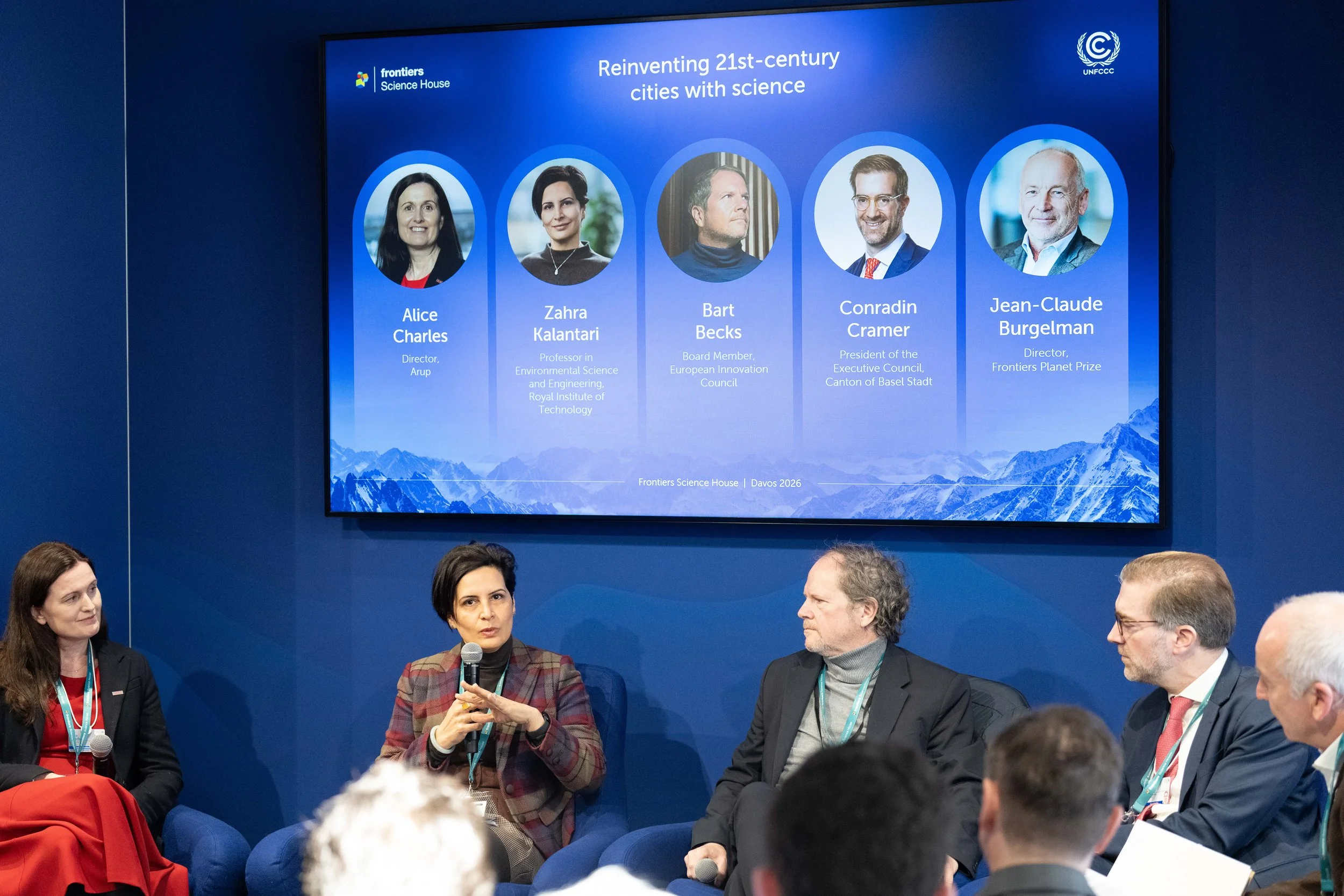
Davos 2026: Reinventing 21st Century Cities with Science
Cities are a major driver of planetary pressures. At Frontiers Science House 2026, key actors in the scientific, financial, industrial and governance sectors highlight the regeneration of urban systems as a central part of the solution. Panellists lay out the role of equitable technology deployment, scientific solutions, and resilient governance frameworks in reinventing cities for both people and the planet.
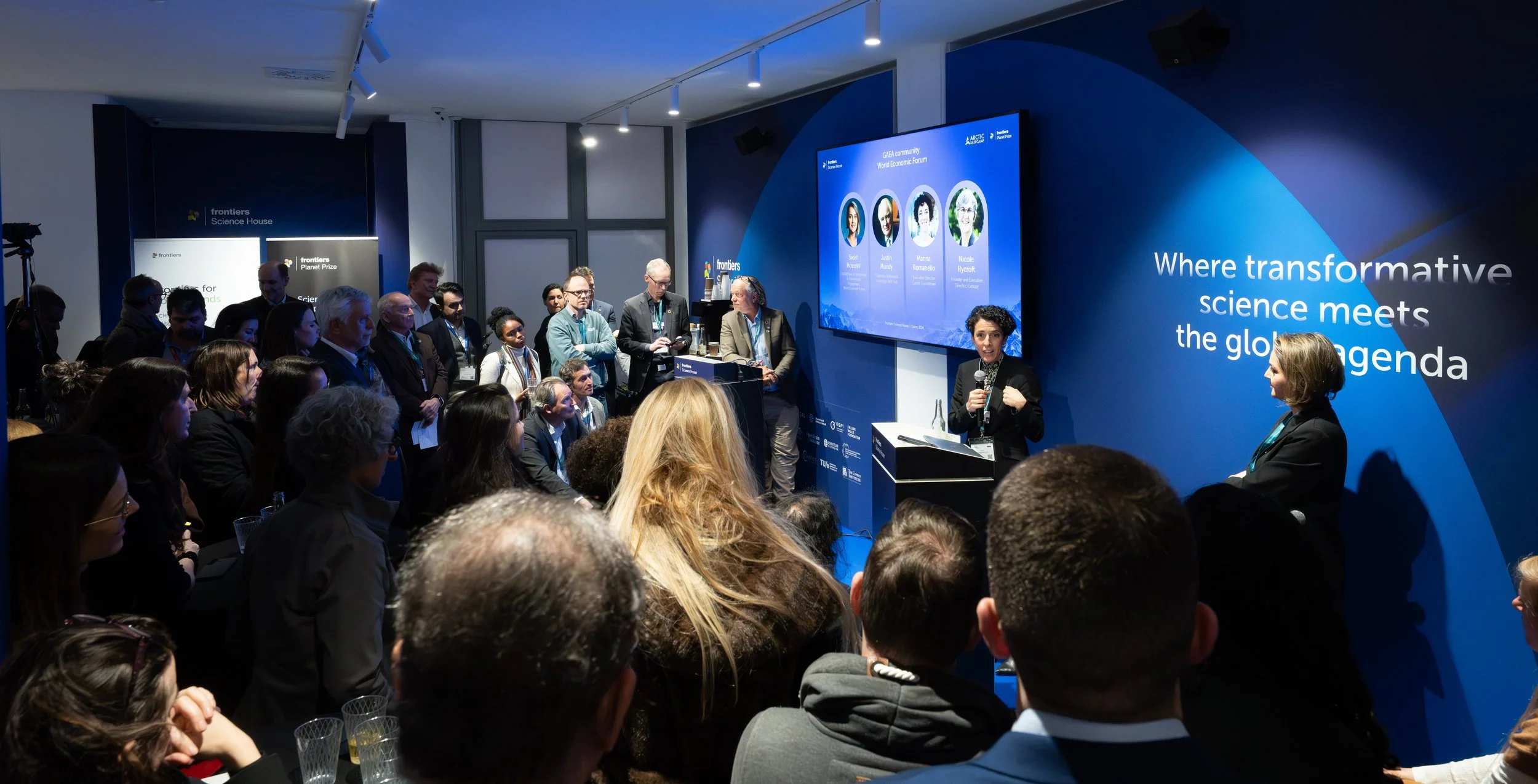
The Frontiers Planet Prize at Davos 2026
This year, The Frontiers Science House established a new home for science dialogue at the World Economic Forum Annual Meeting. The Frontiers Planet Prize convened a dedicated afternoon programme focused on planetary health. The sessions brought together the Prize community and placed them with global thought leaders to celebrate scientific leadership and galvanize stakeholders of all disciplines into action.

Geneva Environment Network: Recognizing the Champions of the Earth
This overview from the Geneva Environment Network brings together leading global flagship awards, thematic environmental prizes, and Swiss-based initiatives that recognise those working towards a healthier, more resilient, and more just planet. The Frontiers Planet Prize is featured within the Global Flagship Environmental Awards section, reflecting its role in elevating science-driven solutions for planetary health.
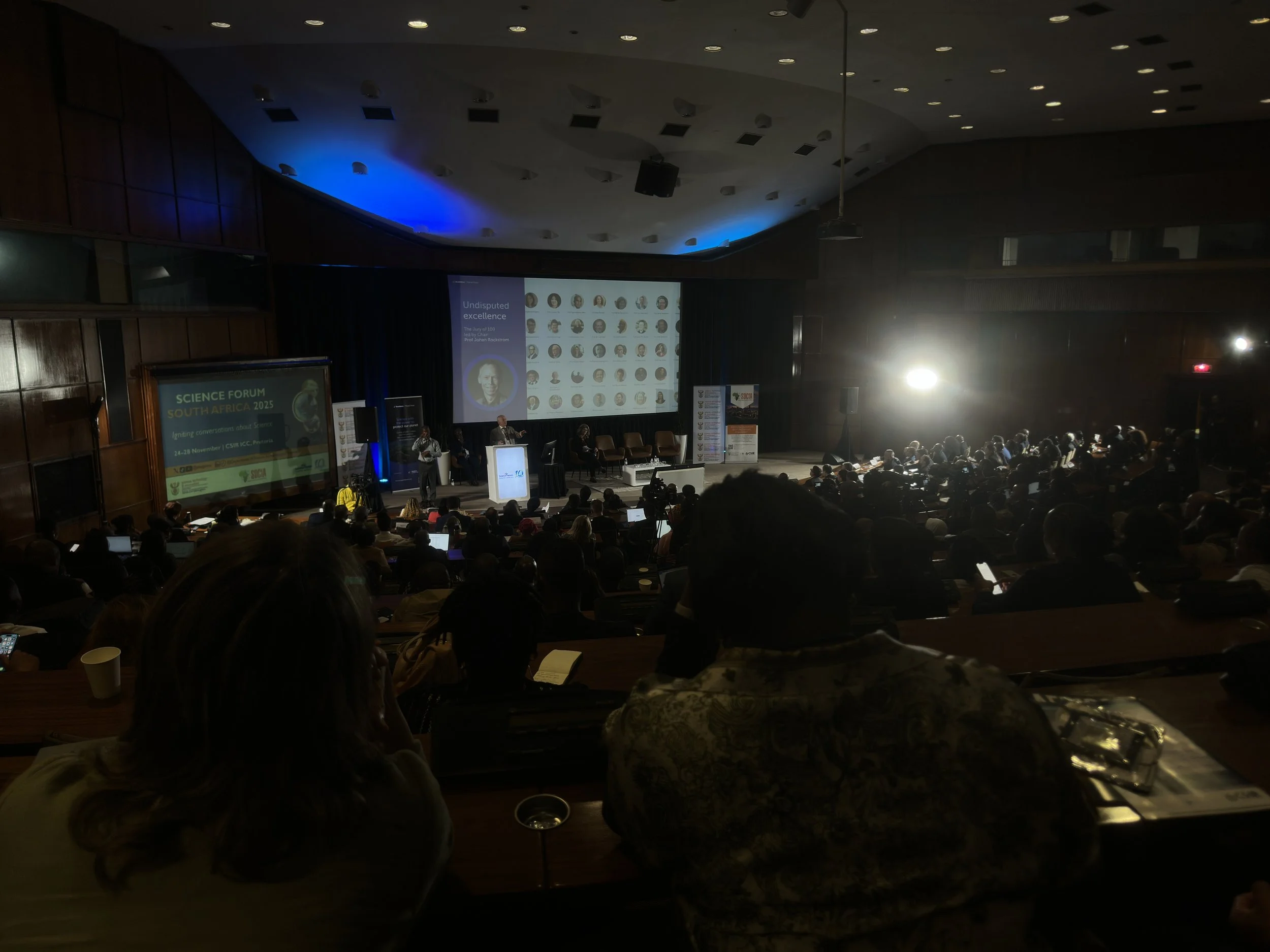
Science Forum South Africa: African Planet Prize
Science Forum South Africa 2025 is a landmark event dedicated to reinvigorating global discourse on science, technology and innovation. Held from 24–28 November 2025 at the CSIR International Convention Centre in Pretoria, the Forum brought together thousands of scientists, innovators, policymakers and civil society leaders from across the continent and beyond.

Our Global Network Mobilised: The Fourth Edition in Focus
The Frontiers Planet Prize has entered its fourth edition with great momentum, a sign not only of the growing global urgency around planetary stability, but of the scientific community’s readiness to deliver actionable solutions at scale. What began as a bold initiative for planetary science has expanded into the world’s largest prize in scientific solutions for planetary health.
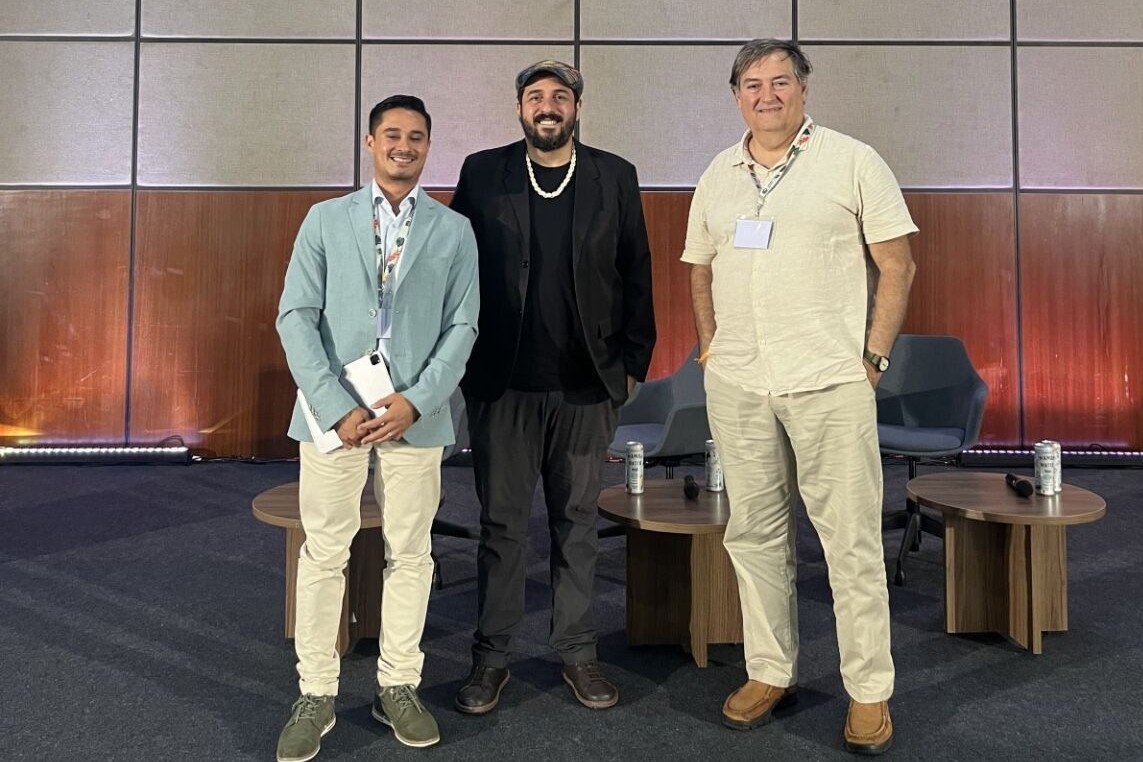
COP30: Award-winning Solutions Restoring Amazonian Ecosystems
This session explored how the Frontiers Planet Prize, the world’s largest science competition in planetary health and Earth system science, is identifying and accelerating breakthrough research with tangible solutions for humanity to live safely within planetary boundaries.
COP30: Emerging Technology Solutions for Planetary Health
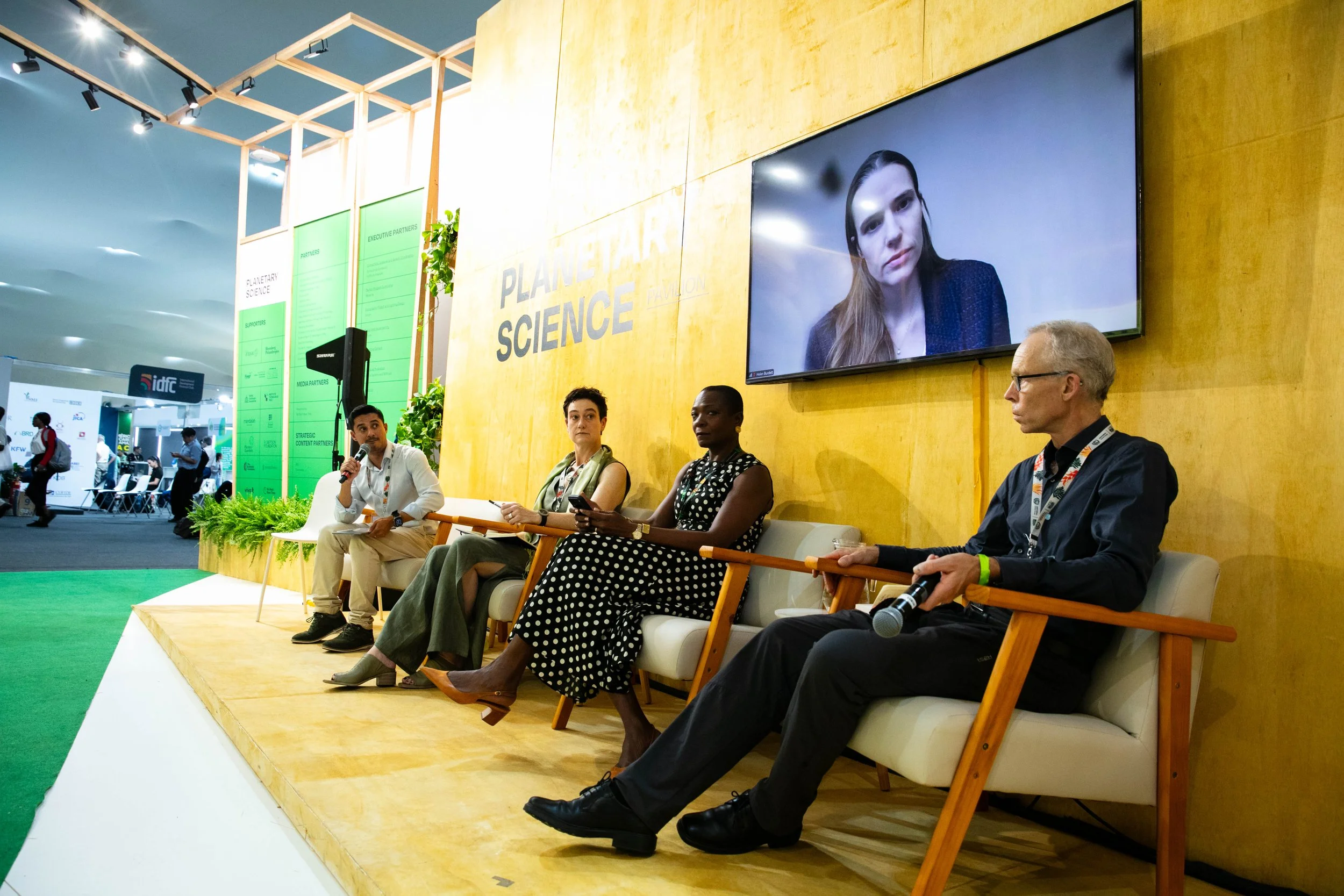
For the first time in its 14-year history of publishing emerging-technology forecasts, the World Economic Forum has produced a report explicitly focused on planetary health. In partnership with the Frontiers Planet Prize and Frontiers, the World Economic Forum pulled together expert networks from its Global Future Council to tap into the technical and scientific expertise of the FPP community.
COP30: Mobilizing Science for Planetary Impact
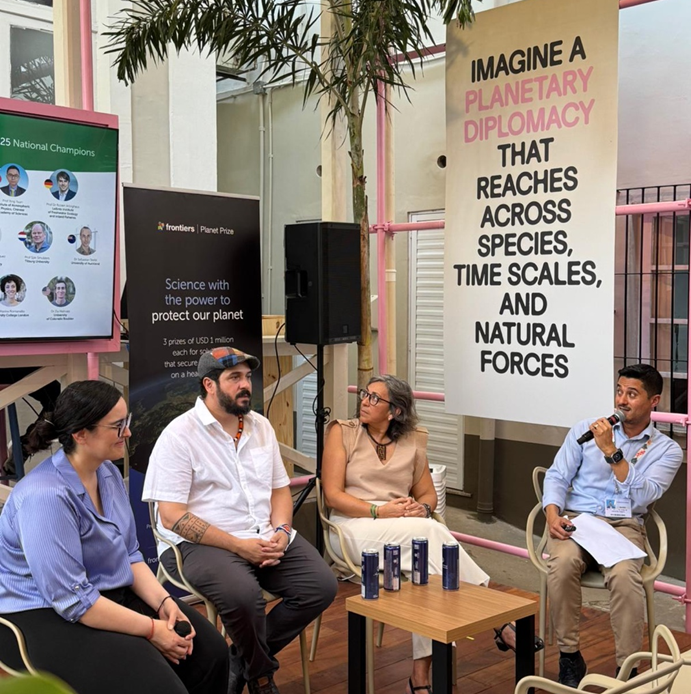
Frontiers Planet Prize at COP30, in collaboration with SwissNex: ‘Mobilizing science for planetary impact: from breakthroughs to transformations.’ Science must evolve from describing the state of the planet to actively shaping the transition toward ecological stability. This discussion will explore how research can move beyond evidence and into agency – driving new incentives, influencing governance, and empowering societies to protect the systems that sustain life.